

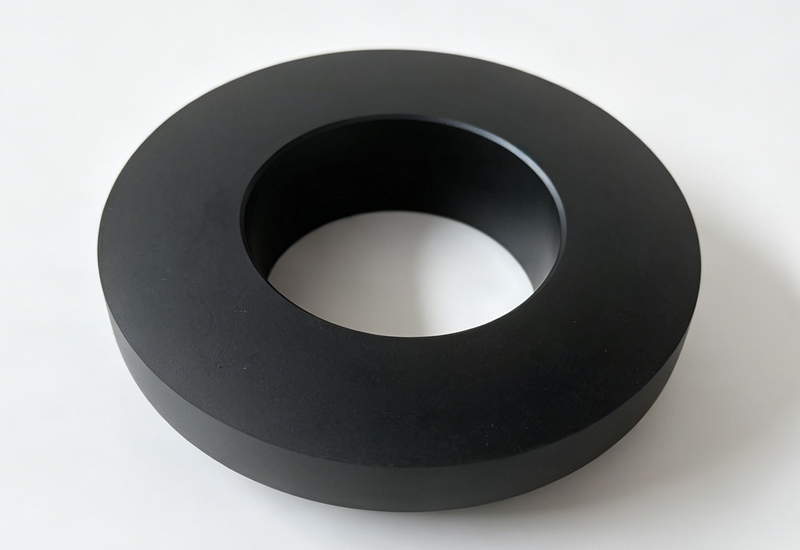
A high flow mud pump suction system is a critical part of drilling and fluid handling operations where reliable slurry movement, stable intake performance, and reduced blockage risk are essential. In drilling sites, mining operations, and other heavy-duty industrial environments, pump suction performance directly affects system efficiency, downtime, maintenance cost, and operational safety. When the suction side of a mud pump is designed for high flow, the system can move thick, abrasive, or solids-laden fluids more consistently while minimizing the chance of clogging, cavitation, suction loss, and premature wear.
For search visibility and long-term content value, this guide explains what a high flow mud pump suction system is, how it works, why blockage happens, and which design features help reduce pump blockage risk. It also includes practical benefits, specifications, selection factors, and maintenance guidance. The content is written in clear English, optimized for SEO, and suitable for use on blog posts, industry pages, directory pages, and product-category pages.
A high flow mud pump suction system is the intake side of a mud pump setup engineered to deliver a large volume of fluid into the pump with minimal resistance. The system is designed to handle drilling mud, slurry, bentonite, suspended solids, and other challenging liquids that may contain abrasive particles or variable viscosity. Its purpose is to maintain steady suction conditions, prevent inlet restriction, and support continuous pump operation.
In simple terms, the suction system is the path that brings fluid from the tank, pit, reservoir, or suction source into the pump. If this path is too narrow, poorly arranged, or poorly maintained, the pump can suffer from cavitation, uneven flow, air entrainment, overheating, vibration, or complete blockage. A high flow configuration reduces these risks by improving inlet geometry, increasing line capacity, lowering pressure losses, and allowing solids to pass more easily.
Pump blockage is one of the most common causes of downtime in mud handling systems. When a pump suction line becomes blocked or partially restricted, the pump may no longer receive enough fluid. This can lead to unstable pressure, reduced output, higher energy consumption, and excessive mechanical stress on impellers, valves, seals, and bearings.
In drilling and slurry applications, blockages often happen without warning because fluids are not clean and flow conditions may change quickly. A small buildup of settled solids, a bent hose, a narrowed elbow, or an undersized suction strainer can significantly reduce performance. A high flow mud pump suction system helps minimize these issues by keeping the inlet path open, smooth, and able to move heavy fluids efficiently.
The suction system works by creating a low-resistance route between the fluid source and the pump inlet. As the pump creates suction, fluid moves through hoses, pipes, connectors, and suction components into the pump chamber. The entire path must support a stable inlet pressure and avoid unnecessary turbulence.
A well-designed system typically includes:
The main goal is not only to move fluid, but to move it steadily and safely. High flow design increases the system’s ability to tolerate heavy, abrasive, or particle-rich media without losing suction efficiency.
A properly designed high flow mud pump suction system provides multiple operational advantages. These benefits are especially important in applications where fluids contain solids, where continuous operation is required, or where downtime is expensive.
| Benefit | Description | Operational Impact |
|---|---|---|
| Reduced blockage risk | Larger flow paths and smoother intake geometry help solids pass through more easily. | Less downtime and fewer emergency shutdowns. |
| Improved suction stability | Consistent inlet flow reduces pressure fluctuations and flow interruption. | More reliable pumping performance. |
| Lower cavitation risk | Reduced resistance on the suction side helps maintain inlet pressure. | Less wear, less noise, and better pump life. |
| Better solids handling | Systems can manage thick, abrasive, or particle-heavy fluids more effectively. | Higher productivity in mud and slurry applications. |
| Lower maintenance needs | Fewer clogs and less mechanical stress reduce service frequency. | Lower operating cost over time. |
| More efficient operation | Less inlet loss means the pump works closer to its intended performance range. | Improved energy use and output consistency. |
To reduce blockage risk, it is important to understand the most common causes of suction-side failure. Blockage is usually the result of one or more design, material, or maintenance issues.
| Cause | How It Affects the System | Typical Result |
|---|---|---|
| Undersized suction line | Limits flow capacity and increases pressure loss. | Restricted intake and poor pump performance. |
| Excessive bends or sharp elbows | Create turbulence and trap solids. | Partial obstruction and uneven flow. |
| Poor suction strainer selection | Too fine a screen can trap debris and slow intake. | Frequent clogging. |
| Settling solids in the tank or pit | Heavy particles accumulate near the suction point. | Sludge buildup and inlet blockage. |
| Air leaks on suction side | Allow air to enter the line and disrupt flow. | Loss of prime and cavitation. |
| Worn hoses or damaged fittings | Reduce sealing quality and flow consistency. | Reduced suction efficiency. |
| Improper maintenance | Debris, buildup, and wear go unnoticed. | Unexpected shutdowns and pump blockage. |
The best high flow mud pump suction systems are built around simplicity, capacity, and durability. The following design features are widely used to reduce blockage risk and improve performance.
A larger suction diameter lowers friction loss and gives solids more room to pass through the system. This is one of the most effective ways to reduce pump blockage risk in mud and slurry applications. Oversized lines are often preferred when fluid viscosity is high or solids concentration changes during operation.
Smooth pipe walls, streamlined connectors, and reduced internal obstructions help fluid move more freely. Every unnecessary restriction increases the chance of buildup, turbulence, and clogging. A smooth flow path supports both high flow performance and longer service life.
Shorter inlet runs generally produce lower pressure loss. When the pump is positioned closer to the source, the suction system can maintain stronger intake conditions. This is especially important for heavy mud, high-solids mixtures, and applications with variable fluid levels.
Strainers help stop oversized debris from entering the pump, but they must be selected carefully. If the screen is too fine, it may clog too quickly. If it is too open, large debris may damage the pump. The ideal strainer balances protection and flow capacity.
Mud and slurry can wear down suction components over time. Abrasion-resistant hoses, pipes, and fittings help preserve internal dimensions and sealing quality. Material selection is important for reducing wear-related blockage and maintaining consistent flow.
Air leaks on the suction side can create major performance problems. A secure sealing design prevents air intrusion, helps the pump stay primed, and reduces cavitation risk. High-quality couplings and proper installation are essential.
Systems designed for easy disassembly and inspection are easier to maintain. When operators can quickly access the suction side, they can remove buildup before it becomes a blockage. This improves reliability and reduces downtime.
High flow mud pump suction systems are used in a wide range of industries where fluid handling is difficult and blockage risk must be controlled. Typical applications include:
In each of these environments, suction performance has a direct effect on pump stability and overall process efficiency. The more challenging the fluid, the more important it becomes to use a high flow configuration that can tolerate heavy particulate loading.
The table below provides a general reference for common specification ranges. Exact values depend on the pump size, fluid type, operating conditions, and system design.
| Specification Item | Typical Range | Notes |
|---|---|---|
| Suction line diameter | 2 in to 12 in or larger | Selected based on target flow rate and solids content. |
| Flow rate capacity | Moderate to very high | Must match pump displacement and application demand. |
| Fluid type | Mud, slurry, bentonite, sludge, abrasive liquid | Viscosity and solids load affect design choices. |
| Temperature range | Application-specific | Material compatibility should be checked. |
| Pressure condition | Low-pressure suction side | Designed to minimize inlet loss and maintain prime. |
| Construction material | Rubber-lined, steel, composite, or abrasion-resistant alloys | Chosen for wear resistance and fluid compatibility. |
| Maintenance access | Manual inspection friendly | Important for clog detection and cleaning. |
| Primary design goal | Reduce blockage risk and support stable high flow | Core objective of the suction system. |
Selecting the right suction system involves matching the line size, material, layout, and filtration level to the specific application. The right choice depends on the fluid characteristics and the desired flow capacity.
A suction system that is too small or too restrictive can create constant operational problems. A properly sized system, on the other hand, improves efficiency and helps the pump handle difficult media with less risk of failure.
Even the best-designed system requires proper operation and maintenance. The following best practices can significantly reduce blockage risk in high flow mud pump suction systems.
These simple practices improve performance and can extend the life of the entire pumping system. They are especially valuable where continuous operation is required and where fluid conditions change frequently.
Detecting suction blockage early can prevent serious pump damage. Operators should watch for the following warning signs:
These symptoms often indicate that the suction side is restricted, leaking, or partially clogged. Immediate inspection can help avoid larger mechanical issues.
Material selection affects durability, wear resistance, flexibility, and maintenance intervals. The best choice depends on fluid abrasiveness, temperature, pressure, and chemical exposure.
| Material Type | Advantages | Typical Use Case |
|---|---|---|
| Rubber-lined hose | Flexible, abrasion-resistant, suitable for solids-laden fluids. | General mud and slurry suction lines. |
| Steel pipe | Strong, stable, durable in demanding environments. | Fixed installation systems. |
| Composite pipe | Combines strength with corrosion or wear resistance. | Industrial process applications. |
| Polymer components | Lightweight and easy to handle. | Temporary or lower-load systems. |
| Abrasion-resistant alloys | Excellent wear performance under harsh conditions. | High-solids, high-wear operations. |
The most relevant search phrases for this topic include high flow mud pump suction system, reduce pump blockage risk, mud pump suction line, high flow suction system, pump blockage prevention, slurry pump suction, drilling mud pump intake, and abrasive fluid pumping. Using these terms naturally throughout a page can help search engines understand the content theme and improve keyword relevance.
A strong SEO structure should include a clear H1, keyword-rich H2 and H3 headings, descriptive tables, practical definitions, and detailed explanatory content. This helps the page rank for both broad and long-tail search terms related to mud pumping, suction performance, and blockage prevention.
A high flow mud pump suction system is essential for stable performance in demanding fluid-handling environments. By increasing inlet capacity, reducing resistance, and supporting solids passage, the system helps reduce pump blockage risk and improve overall reliability. Proper sizing, smart layout, durable materials, leak prevention, and regular maintenance all contribute to better suction performance and longer pump life.
Whether the application involves drilling mud, slurry transfer, or abrasive industrial fluids, a high flow suction design can make the difference between frequent downtime and dependable operation. For any page focused on mud pump performance, blockage prevention, or suction system design, this topic provides strong SEO value and practical industry relevance.
This website uses cookies to ensure you get the best experience on our website.


 Pусский



 WhatsApp
 Phone
Phone
Comment
(0)